
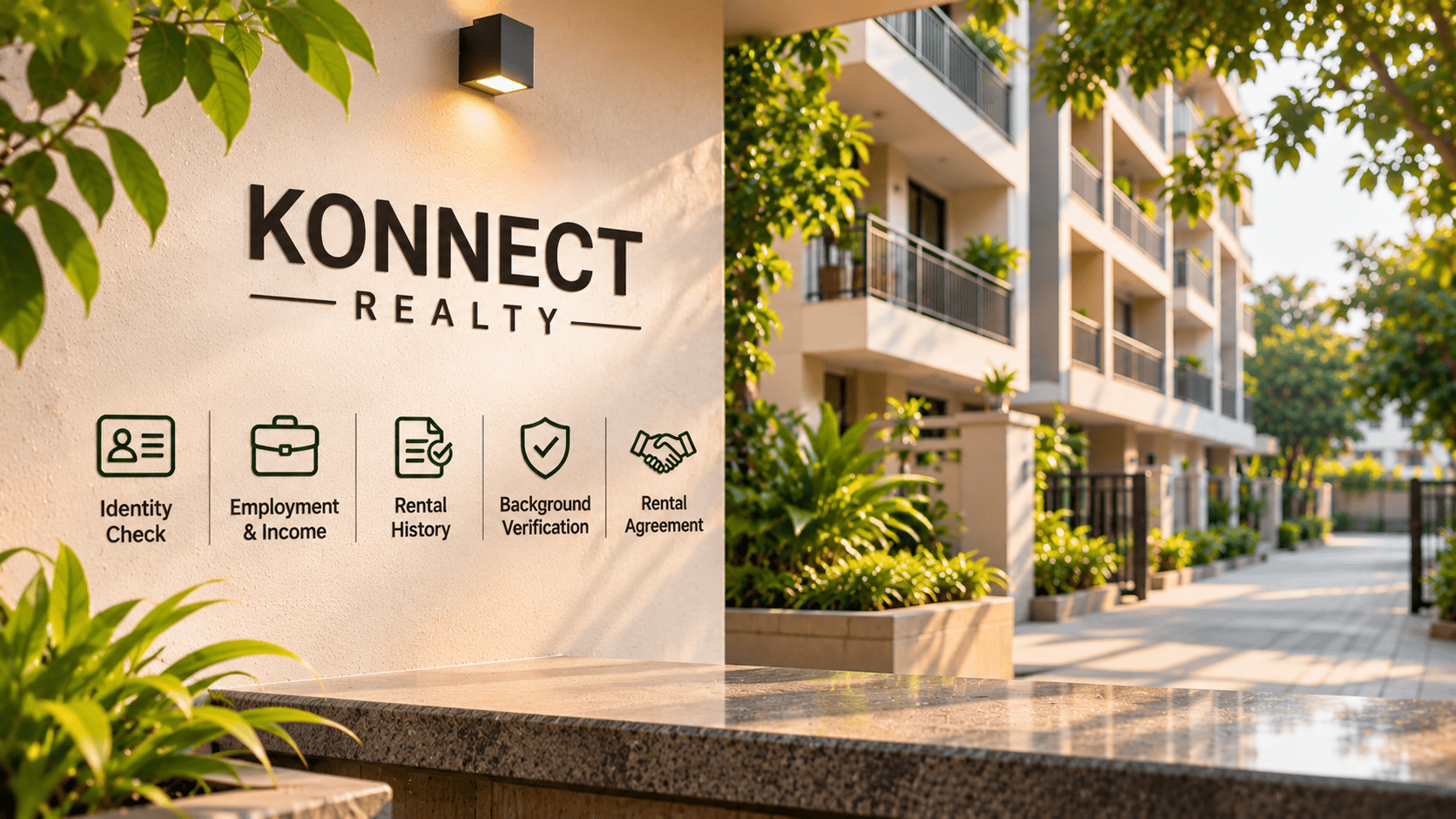
Renting out a residential property can provide a steady income, but finding the right tenant is just as important as finding someone willing to pay the rent. A tenant who maintains the property, follows the rental agreement and makes timely payments can make property ownership considerably easier.
However, choosing a tenant without conducting proper checks can expose property owners to payment delays, property damage, disputes and unnecessary legal complications.
In Chennai’s growing rental market, tenant screening has become an important part of responsible property management. Whether you own an apartment in Anna Nagar, a residential house in Velachery or an investment property in OMR, understanding how to verify potential tenants can help protect your property.
Here is a practical guide to screening tenants before handing over your property.
1. Verify the Tenant’s Identity and Personal Details
The first step in tenant screening is confirming the identity of the person who intends to occupy your property.
Property owners should collect and verify appropriate identity and contact information before finalising a tenancy.
- Important details to check include:
- Full name as mentioned in the identity document.
- Valid government-issued identity proof.
- Current residential address and permanent address.
- Active mobile number and email address.
- Details of other family members or occupants who will stay in the property.
Ensure that the information provided by the prospective tenant matches the supporting documents.
For company-leased properties, verify the organisation’s details and the identity and authority of the employee or representative signing the agreement.
Proper identity verification creates a reliable record and makes future communication easier.
2. Check Employment and Income Stability
A tenant’s ability to pay rent consistently is an important consideration for landlords.
While employment status alone does not determine whether someone will be a good tenant, understanding their income source can help property owners assess rental affordability.
- Depending on the tenant’s circumstances, consider reviewing:
- Recent salary slips or relevant income documents.
- Employment details and company information.
- Official employment identification, where appropriate.
- Bank statements or other suitable proof of income, with the tenant’s consent.
Business or professional income records for self-employed applicants.
For example, if a prospective tenant is employed in an IT company in Chennai, understanding their employment and income arrangements can help establish whether the proposed rent is manageable.
Avoid collecting unnecessary financial information. Verification should be reasonable, relevant and handled confidentially.
3. Understand the Tenant’s Previous Rental History
A person’s previous rental experience can provide useful insights into how they may handle another rental property.
Where appropriate and with the applicant’s consent, landlords can request details of previous rental accommodation and contact information for a former landlord.
- Consider checking:
- Whether rent was paid regularly.
- Whether the property was maintained properly.
- Whether there were unresolved rental disputes.
- Whether the tenant followed the previous rental agreement.
Whether the property was handed over in an acceptable condition.
A conversation with a previous landlord can help clarify the tenant’s rental history.
However, feedback should be considered objectively rather than treated as the only deciding factor. Give prospective tenants a reasonable opportunity to explain any concerns.
4. Consider Police Background Verification
Police verification can be an additional precaution when renting out residential property.
Chennai Police has previously provided tenant background verification services through its citizen-service systems. Property owners should check the current Tamil Nadu Police portal or contact their local police station for the applicable process and requirements.
- Depending on the available procedure, the application may require:
- Tenant identity details.
- Address information.
- Recent photograph.
- Supporting identity documents.
Consent from the person being verified.
Police verification should be conducted through authorised channels. It is not a substitute for identity checks, a written rental agreement or proper property management.
Landlords should also avoid treating a lack of previous police verification as proof of wrongdoing.
5. Discuss Occupancy and Property Usage Clearly
Before finalising a tenant, understand how the property will be occupied and used.
This is particularly important for apartments and gated communities in Chennai, where apartment associations may have specific rules regarding occupancy, parking and common facilities.
- Discuss the following points:
- Number of people who will occupy the property.
- Whether the property will be used for residential purposes.
- Parking requirements.
- Pet-related arrangements, where applicable.
- Visitors and guest policies.
- Apartment association rules and regulations.
- Any intended changes or additional installations inside the property.
For shared accommodation or multiple occupants, clearly identify the individuals who will be staying in the premises.
Discussing these matters beforehand can prevent misunderstandings after the tenant moves in.
6. Prepare a Clear and Proper Rental Agreement
A properly drafted rental agreement establishes the responsibilities of both the landlord and the tenant.
In Tamil Nadu, the Tamil Nadu Regulation of Rights and Responsibilities of Landlords and Tenants Act, 2017 provides the framework governing tenancy agreements.
- The agreement should be in writing and registered with the Rent Authority as applicable under the law. The Tamil Nadu tenancy portal provides an online registration facility.
- Important terms to include are:
- Monthly rent and payment due date.
- Security deposit and refund conditions.
- Tenancy duration and renewal terms.
- Maintenance responsibilities.
- Electricity, water and other utility payments.
- Notice period and termination conditions.
- Property usage restrictions.
Conditions for deductions and property handover.
Both parties should understand the terms before signing.
A well-prepared rental agreement helps establish transparency and provides a documented reference if disagreements arise later.
7. Document the Property’s Condition Before Handover
Tenant screening should not end with verification and agreement signing. The property’s condition should also be documented before possession is handed over.
A proper move-in inspection helps establish the condition of the property at the beginning of the tenancy.
- Property owners should consider documenting:
- Walls, flooring and ceiling condition.
- Electrical fittings and switchboards.
- Plumbing fixtures and bathroom fittings.
- Kitchen cabinets and appliances.
- Doors, windows and locks.
- Furniture and other supplied items.
- Meter readings and utility connections.
Take clear photographs or videos and maintain a written inventory wherever necessary.
This documentation helps both parties understand the property’s initial condition and reduces the possibility of disagreements during the final handover.
8. Watch Out for Common Tenant Screening Mistakes
Many property owners are eager to rent out their vacant properties quickly. However, rushing the selection process can create avoidable complications.
Accepting a tenant without identity verification: Always establish who will occupy the property and maintain appropriate records.
Choosing solely based on rental offers: A higher rental offer does not automatically mean a suitable tenant.
Ignoring previous rental history: Where available, previous landlord references can provide additional information.
Not discussing occupancy details: Unclear occupancy arrangements can create problems after possession.
Using an incomplete rental agreement: Important terms relating to deposits, maintenance and termination should not be overlooked.
Skipping the move-in inspection: Without documentation, it may become difficult to establish the property’s original condition.
Ignoring legal registration requirements: Understand and follow the applicable Tamil Nadu tenancy registration requirements.
A systematic screening process helps landlords make informed decisions instead of relying on assumptions.
9. How Professional Property Management Helps Landlords
Managing a rental property involves more than advertising it and collecting monthly rent.
Property owners may need to coordinate tenant enquiries, arrange property visits, verify documents, prepare agreements, manage maintenance requests and handle tenant communication.
For owners who have limited time or live away from their properties, these responsibilities can become challenging.
- Professional property management can help simplify the process through:
- Tenant enquiry handling and coordination.
- Tenant screening and document collection.
- Assistance with rental agreement coordination.
- Property inspection and handover documentation.
- Rent follow-ups and tenant communication.
- Maintenance coordination.
- Ongoing property management support.
Having a structured management process allows property owners to maintain better oversight of their rental assets while reducing day-to-day coordination.
Conclusion
Finding the right tenant is an important part of protecting your property and maintaining a stable rental income. From identity verification and employment checks to rental history, background verification and proper documentation, every step contributes to a more organised rental process.
For property owners in Chennai, taking the time to screen tenants carefully can help reduce avoidable disputes, maintain property conditions and establish a better landlord-tenant relationship.
However, tenant screening is only one part of successful property ownership. Consistent communication, regular inspections, timely maintenance and proper rental documentation are equally important.
At Konnect Realty, we understand that managing a property requires attention, coordination and a reliable approach. Whether you are renting out your apartment or looking for professional property management support in Chennai, our team can help you manage your property with greater confidence.
Visit https://konnectrealty.com to explore our property management services and connect with our team.